PLAYER PROFILE – Fred “Sarge” Ferris

Fred “Sarge” Ferris was one of the high-stakes regulars who defined Las Vegas poker through the 1970s and 1980s, back when the biggest action lived in the cash games rather than on television. He built his name in those games, where the money was real and the fields were small enough that everyone knew everyone. His signature tournament result came in the No Limit Deuce-to-Seven Draw event, where he won a WSOP bracelet. Deuce-to-Seven is a lowball draw game that rewards patience and discipline over flash, and that fit him — he was known less for theatrics than for nerve, comfortable with strategy and serious money on the line, and respected by the players who had to sit across from him.
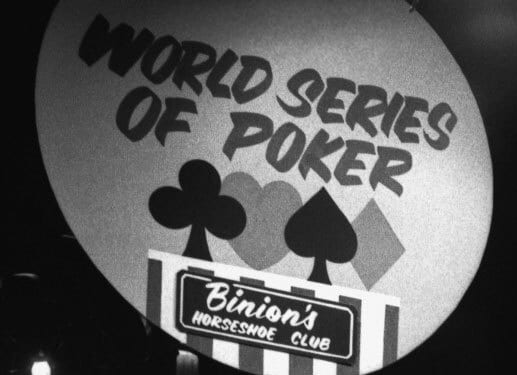
Ferris also played a quiet part in one of poker’s great stories. Staking another player was a real gamble in that era: you put up the buy-in and took a share of the winnings, betting your own read on someone else’s game against everything that could go wrong. Ferris made that bet on a young Stu Ungar, sponsoring his entry into the 1980 World Series of Poker, and it paid off as Ungar tore through the field. Even Doyle Brunson took notice, later saying, “I played with (Stu) each day. I never saw anybody improve each day like he did”.
Encountering Challenges
Ferris’s career wasn’t all triumphs. In 1983, during a high-stakes game at Binion’s Horseshoe, the IRS seized $46,000 in chips from him over unpaid back taxes — one of the more infamous scenes in poker history, and one that played out in front of the whole room. It was a blunt reminder that the line between a professional gambler’s bankroll and the taxman was thinner than the players liked to admit. What stuck with people, though, wasn’t the seizure so much as how Ferris handled it.
As the agents cleared his chips, one reportedly handed back a single $25 chip and suggested he use it to “buy a taco” — a crack that was widely panned as inappropriate. Ferris brushed it off without losing his composure, and that reaction, more than the seizure itself, is part of why the story still gets retold.
The comment also stirred confusion about Ferris’s background. The Ferris brothers were the sons of a Lebanese-born railroad worker and were often mistaken for Hispanic, which led some to read the agent’s remark as an ethnic slur. Ferris set the record straight, explaining the agent was pointing to a Mexican restaurant at the Horseshoe where he often ate.
The episode stuck to his story, and it said something about the life: for a professional gambler in that era, the toughest spots weren’t always at the table — sometimes they were with the people who showed up to collect.
A Legacy Celebrated
By the late 1970s, Ferris was firmly established among the top players in the game, known for steady nerve and sharp play. His standing came from more than results — it came from how he carried himself, at the table and away from it. In a scene full of big personalities and bigger egos, a reputation for staying level was worth as much as any single score.
Ferris died on March 12, 1989, not long after a high-stakes session — a fittingly in-character exit for a man who spent his life in the games. His funeral in Las Vegas drew many from the poker world who came to pay their respects.
His contributions held up: Ferris was later inducted into the Poker Hall of Fame, a posthumous nod to a player whose influence outlived his own time at the tables.

Why He’s Remembered
Ferris was never a household name outside the game, but inside it he was the real thing: a fixture in the biggest action of his era, quick under pressure, and respected by the players who knew exactly how hard that was to pull off. The bracelet and the Hall of Fame nod are the official record, but the reputation he earned among the people he played against is what really lasted. In a game that forgets most of its names, that kind of standing is the rarest currency there is.
👉 Use Referral Code: WINBIG 👈PLAY NOW

Whether you’re a fan of high-stakes cash games or the excitement of multi-table poker tournaments, GGPoker is the premier destination for poker enthusiasts. For those aiming to compete for a prestigious WSOP bracelet, push through the ranks for a WSOP Circuit ring, or simply hone their strategies in classic games or poker formats, GGPoker has something for everyone. The platform offers a seamless online poker experience, with innovative features like Smart HUD, PokerCraft, and integrated staking, designed to elevate your game. Whether you’re grinding your way up in daily cash games or competing for life-changing prizes in major online series, GGPoker provides the best environment to play, improve your poker skills, and succeed in the world of online poker. And if you are not sure where to start, you can always play free poker games and learn at the GGPoker School.
About the Author: Maury Orton is a poker writer and editor contributing to GGPoker. He focuses on clear, reliable explanations of the game, drawing on years of experience in online poker media and digital publishing.