PLAYER PROFILE: Jack McClelland

From Player to Tournament Director
Jack McClelland’s name carries more weight behind the table than at it. Born in 1951, he came to poker the way a lot of players do — through curiosity and the social side of the game rather than a rush to sit in the biggest cash game in the room. What set him apart was where that curiosity led. Instead of staying a player, he got interested in how the game was run — the structures, the pacing, the logistics that turn a roomful of gamblers into an actual tournament — and that interest is what built his career.
He never put together the kind of tournament resume that lands a player in the history books on results alone. His mark on poker is structural: the modern tournament, the way it is seeded, paced, and presented, looks the way it does in part because of decisions he made. That is a rarer kind of legacy than a bracelet, and arguably a more durable one. Bracelets get won every summer; the framework an event runs on gets rebuilt far less often, and the person who gets it right tends to be remembered by the people who run the next one rather than the crowd watching the final table.

Running the WSOP
McClelland made his name in the 1980s as Tournament Director of the World Series of Poker. The title sounds administrative, and plenty of the job is — but the tournament director sets the blind structures, the pacing, and the standards that decide whether an event runs clean or comes apart at the seams, and McClelland treated that as a craft rather than a clipboard exercise.
He was known for an attention to detail that ran from the printed structure sheets to the feel of the room. That matters more than it sounds. Get the blind levels or the payout jumps wrong and you change how every player at the table has to approach the game, so a director’s choices feed straight into the action even though his name never shows up in the results. I’ve sat through enough badly run tournaments to appreciate the ones where someone clearly thought the whole thing through, and by every account his were the latter. The good ones feel effortless precisely because someone did the unglamorous work of getting the details right in advance.

He wasn’t only a director, either. As a player, his live tournament winnings exceeded $375,000, with four final table appearances and 17 money finishes at the WSOP. The standout came late in the run: a 5th-place finish in the $10,000 Seven Card Stud Championship at the 52nd World Series of Poker in 2021, good for $40,284 in a deep and competitive field. It’s a useful reminder that the man setting the rules could hold his own playing inside them, and that he understood the game from the inside rather than just from behind a desk.
That player’s perspective fed directly into how he ran things. He knew which structures felt fair to grind and which ones punished good play for no reason, and he built accordingly. Under his leadership the WSOP grew in both size and standing, becoming the benchmark other poker tournaments measured themselves against. That standing didn’t fade when he moved on. It became part of the foundation the modern Series was built on.
The Bellagio Years
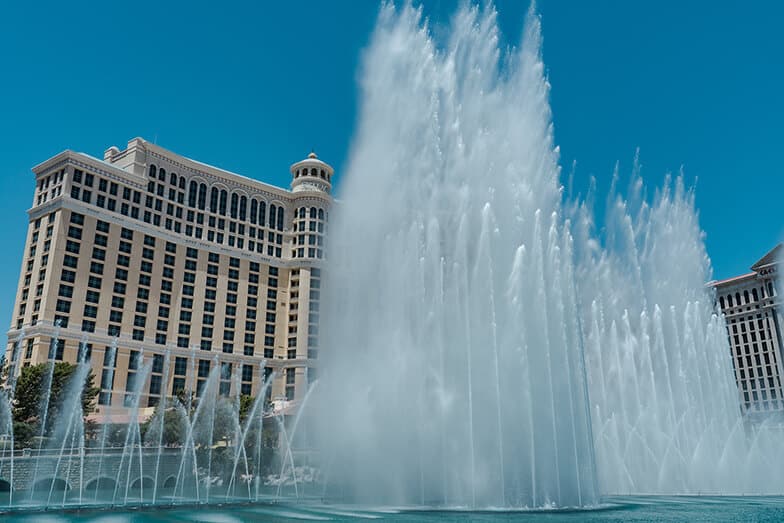
In 2002 McClelland took over as tournament director at the Bellagio poker room, and he brought the same approach with him. He had a clear sense of what made a tournament worth playing — structures that rewarded skill over variance where they could, a schedule that respected players’ time, and a floor that took the game seriously. Under him the Bellagio became a fixture on the serious tournament circuit, pulling top players from around the world.
Part of that was his knack for serving the high-stakes regulars and the up-and-comers in the same room without shortchanging either group, a balance plenty of rooms talk about and few actually manage. A regular could trust that the daily tournaments would start on time and pay out the way the structure said they would, and that kind of consistency is a bigger part of why players keep coming back to a room than any single marquee event.
Into the Hall of Fame
In 2014 McClelland was inducted into the Poker Hall of Fame, which is about as clean a summary of his career as you’ll find. He’s remembered for three overlapping roles: the director who set how big tournaments were run, the player who could back it up with a strategic game of his own, and the mentor who passed on what he knew to the people coming up behind him.
Most people in poker are known for one of those, if any. The reason his name still comes up is simple enough: the way tournaments are structured and staged today owes a real debt to the standards he set decades ago. Few tournament directors leave that kind of mark, and fewer still are remembered for it once the next generation takes over the floor.

👉 Use Referral Code: WINBIG 👈PLAY NOW!
About the Author: Maury Orton is a poker writer and editor contributing to GGPoker. He focuses on clear, reliable explanations of the game, drawing on years of experience in online poker media and digital publishing.