Table Talk
Poker is a game rich in strategy, psychology, and the subtle art of communication. While the cards you’re dealt are critical, how you play them, both strategically and in how you interact with other players, adds depth and complexity to the game.
The social aspect of poker can be a tactical element in the game. Engaging with other players goes beyond small talk. It can be a strategic tool, albeit one that should be used judiciously.
Conversation Strategies
Reading Opponents: Conversations might offer clues about an opponent’s mindset, but they’re just one piece of the puzzle. Observing betting patterns and physical tells often provides more reliable information.
Social Dynamics: While using conversation as a distraction is not a standard strategy, friendly banter can contribute to a more relaxed atmosphere and can sometimes lead to insights into other players’ strategies.
The Subtleties of Poker Talk
Table talk at the poker table comes down to the nuanced decisions made during the game: reading the table, understanding when to take risks, and when to play it safe.
That awareness matters even more in international tournaments, where players bring genuinely different styles to the table. Recognizing and adapting to those differences can give players a real advantage, helping them navigate the varied landscape of global poker more effectively.

Strategic Balance
Bluffing and Misdirection: These are classic elements of poker strategy. While they can be supported by conversation, they primarily rely on betting patterns and game dynamics.
Adapting to Table Dynamics: Each game has its own rhythm and style. Adapting your play, and your conversational approach, to match this dynamic can be beneficial.
Developing a Holistic Poker Skillset
To excel in poker, a player needs to develop a range of skills:
1. Strategic Acumen: Mastery in poker comes from understanding the intricacies of each play, not just the hands you’re dealt: a deep comprehension of odds, keen awareness of the game’s dynamics, and the ability to make calculated decisions. A player with strategic acumen knows precisely when to take risks, when to bet aggressively, and when to hold back. This also means reading the table, identifying patterns in opponents’ play, and adapting strategy as the game shifts, always thinking several moves ahead and anticipating an opponent’s reactions.
2. Psychological Insight: Poker is as much a mental game as it is a game of chance. Players must possess the ability to read and interpret the subtle cues and behaviors of their opponents. This insight goes beyond merely observing physical tells. It involves understanding the psychological state of opponents: their confidence, stress levels, and even their bluffing tendencies. A player with strong psychological insight can often predict an opponent’s moves, adjust their strategy accordingly, and exploit psychological weaknesses. This skill is particularly valuable in high-stakes games where a single read can shift the outcome.

3. Communication: Effective communication in poker goes beyond verbal exchanges: it’s a range of expressive and receptive skills. This includes engaging in strategic conversation, using dialogue as a tool to glean information, misdirect, or unsettle opponents, not just for social interaction. Equally important is listening and observation: picking up on nuances in opponents’ speech, timing, and tone. A skilled communicator also understands non-verbal communication, using body language as an expressive tool while reading the same cues in others. Whether through words or silence, a player’s communicative abilities add an extra layer of strategy to their play.
The silent, powerful language of the body matters just as much. In poker, a player’s posture, gestures, and even eye movements can reveal volumes about their hand and strategy. Mastering the art of reading these non-verbal cues can give you an edge, allowing you to decipher hidden tells and intentions. Being aware of your own body language, and learning to control it, can help mask your strategies from opponents. This dance of physical subtlety is as integral to poker as the cards themselves.
👉 Use Referral Code: WINBIG 👈DOWNLOAD NOW!
Beyond the Table Talk
While some successful poker players may have backgrounds in psychology or sales, this is not a prerequisite for success. Poker is a game that rewards a variety of skills, including but not limited to, strategic thinking and effective communication.
Poker’s portrayal in popular culture often romanticizes the game, focusing on dramatic bluffs and high-stakes negotiations. Movies like ‘Rounders’ and ‘Casino Royale’ present poker as a game of intense confrontation and cunning. While these portrayals capture the excitement of poker, they sometimes oversimplify its strategic depth and psychological complexity. Understanding the difference between Hollywood’s dramatization and the real-world application of poker strategies can help in developing a more grounded and effective approach to the game.

The Ethics of Table Talk
The conversation at the table, while a strategic tool, should be used with respect and integrity. There’s a fine line between healthy banter and unethical manipulation, and understanding that boundary matters for the spirit of fair play. Poker is a test of skill and strategy, but it’s also a reflection of character. How you communicate and conduct yourself at the table speaks volumes about you as a player and a person.
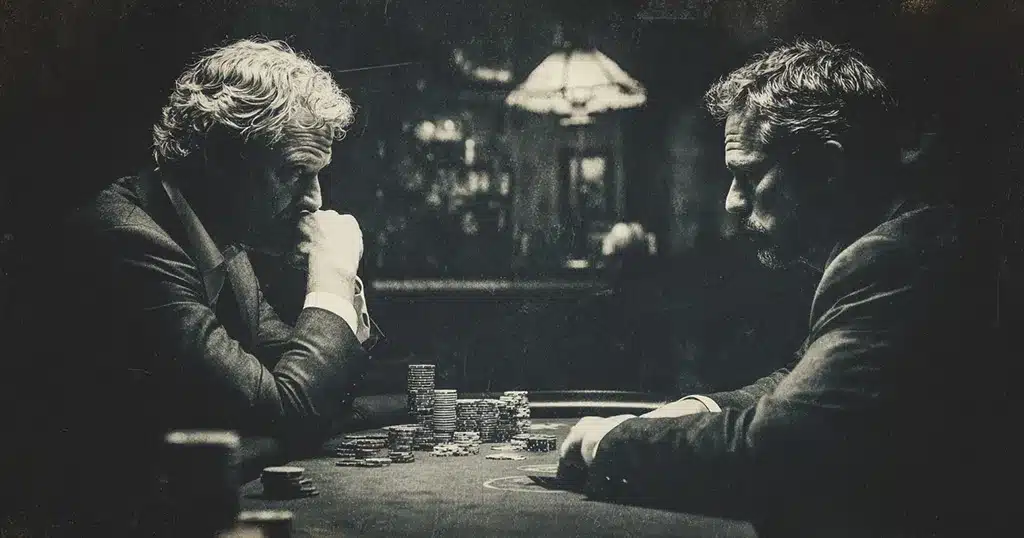
Whether you’re a fan of high-stakes cash games or the thrill of multi-table poker tournaments, GGPoker is the top destination for online poker enthusiasts. Players can chase a coveted WSOP bracelet, earn a WSOP Circuit ring, or refine their strategies across various poker formats. GGPoker enhances gameplay with advanced tools like Smart HUD, PokerCraft, and integrated staking, all designed to help players improve and succeed. Whether you’re grinding through intense cash games, participating in massive online series for life-changing prizes, or learning the ropes through free poker games at the GGPoker School, this platform has everything you need to develop your skills and enjoy the full online poker experience.
About the Author: Shawn Altbaum has been writing and editing in the online gaming industry since 2007, reporting live from the WSOP Main Event and conducting interviews with professional players. An active poker player, he combines industry expertise with firsthand knowledge of the games he covers. He currently serves as Global Head of Copywriting at NSUS Group, overseeing brand voice and content strategy across GGPoker and GGVegas.