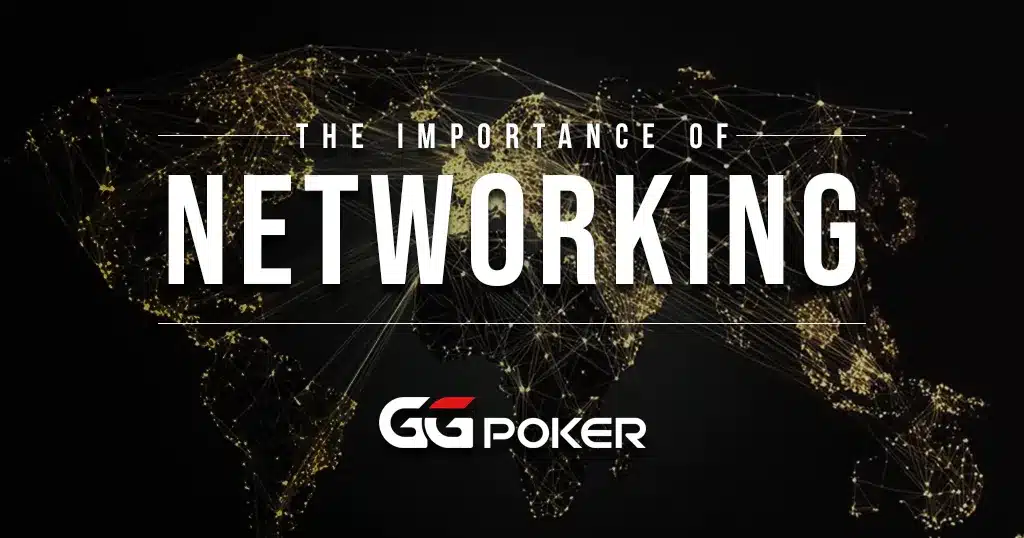
The Importance of Networking in a Poker Career
Poker looks like a solitary game from the outside — one player against the table, every decision riding on your own read. But the players who last in this industry tend to have something the results pages never show: a network. The people you know shape a poker career as much as the bankroll you manage, and that holds whether you’re grinding local cash games or trying to make a living at it.

Why Networking Matters
The cards are only part of it. I’ve found the players who improve fastest aren’t the ones grinding alone in a bankroll spreadsheet — they’re the ones with a few people better than them to talk hands with, who hear about good games before they fill up, and who have someone to call when a downswing starts messing with their head. None of that shows up in a strategy book, and most of it comes down to who you know.
A good poker contact is the person who will break down a hand with you at 2 AM, talk you down after a bad session, or steer you toward a game worth playing — or a place to learn poker properly when you’re starting out. That kind of relationship beats another business card every time. It’s the difference between improving in a vacuum and improving with people who actually push you.
Where to Find Your Network
The network is everywhere the game is. It starts at the table — the casino floor, your regular home game, the tournaments you travel for — and it extends online to forums, Discord servers, social media groups, and even Twitch chats. The mistake most players make is treating it like a transaction: collecting contacts, then going quiet until they need something. What actually works is simpler — be a regular. Show up to the same game, the same forum, the same Discord often enough that people know your name, and the relationships build on their own.
The thing that actually builds a network is how you show up. Be genuinely interested in the person across from you, not just the player, and look for ways to be useful before you need anything back. In a community this small, that kind of reputation travels faster than you’d think.
Building Relationships That Last
Good relationships take the same patience and consistency a winning hand does, and they don’t happen by accident. A few things that help:
- Be Genuine: Authenticity goes a long way. People are more likely to remember and want to connect with someone who shows genuine interest.
- Offer Value: Whether it’s a piece of advice, a listening ear, or a contact from your network, providing value strengthens relationships.
- Stay in Touch: Like any relationship, your poker connections need nurturing. A simple message asking how someone’s doing can keep the bond strong.
Common Misconceptions
There’s a common misconception worth killing: that networking means using people. The opposite is true. The connections that actually pay off are the ones where both sides get something real out of it, and that only happens when you’re not keeping score. Treat people like chips to be cashed in and they notice — and in a world this small, word gets around.

Putting Your Network to Work
This is where a network pays off in concrete ways. The invite to a private game, the study group that sharpens your reads, the mentor who already made the mistakes you’re about to make, the staking deal that gets you into a bigger field — those almost never come from strangers. They come from people who already know and trust you. I’ve watched players try to cash in a network they never actually built, and it goes about as well as you’d expect. Keep showing up for the people around you long before you need the favor, and it’ll be there when you do.
👉 Use Referral Code: WINBIG 👈TAKE YOUR SEAT
It Changes as You Move Up
One thing worth knowing going in: networking doesn’t look the same at every level. At low stakes it’s mostly social — people swapping bad-beat stories and the occasional bit of strategy, and almost anyone will talk to you. At mid stakes it gets more deliberate; players start guarding what actually makes them money, and the useful conversations move into smaller, more trusted circles. By the time you’re in high-stakes games, the network basically is the business: backing, swaps, information, and access all run through who vouches for you. The higher you climb, the more your reputation does the work before you say a word — which is exactly why it pays to build it early.
When It Doesn’t Work Out
Not every connection sticks, and that’s fine. Some people you click with, some you don’t, and some just drift after a session or two. None of it is wasted; even a short conversation can hand you a lesson you use later. When something isn’t going anywhere, let it go without burning the bridge — poker is a small world, and you’ll cross paths again.
Learning From Players Who’ve Done It
Ask almost any long-time pro how they got where they are and a network is somewhere in the answer — the friend who staked them early, the crew they ran hands with, the people who kept them steady through a brutal stretch. The specifics differ, but the pattern doesn’t: even in a game that looks like every player for themselves, almost nobody gets there alone.
Conclusion
Poker rewards good decisions, but careers get built on good relationships, and those take the same patience the game does. Put in the time with the people around you, be useful before you need anything, and the network mostly builds itself. That’s the part of the game no solver will ever teach you.
About the Author: Maury Orton is a poker writer and editor contributing to GGPoker. He focuses on clear, reliable explanations of the game, drawing on years of experience in online poker media and digital publishing.